How Gay Men’s Swimwear Influenced Modern Men’s Fashion: Why Body-Contouring Styles Appeal to More Men Than Ever
For decades, gay men’s fashion has often been at the forefront of experimentation with swimwear. While mainstream men’s beachwear was dominated by long board shorts throughout much of the late twentieth century, many designers serving LGBTQ+ customers continued to develop swim briefs, bikinis, thongs, and other body-conscious styles. Today, many of these once-niche designs have become more visible across beaches, resorts, cruises, and social media, attracting wearers with a wide variety of identities and motivations.
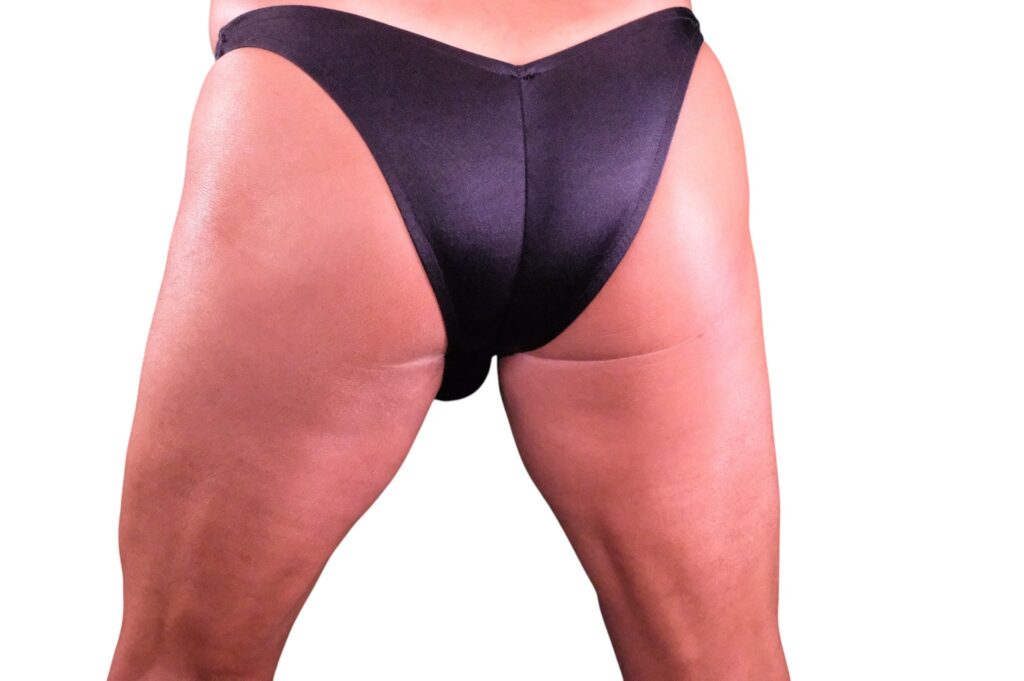
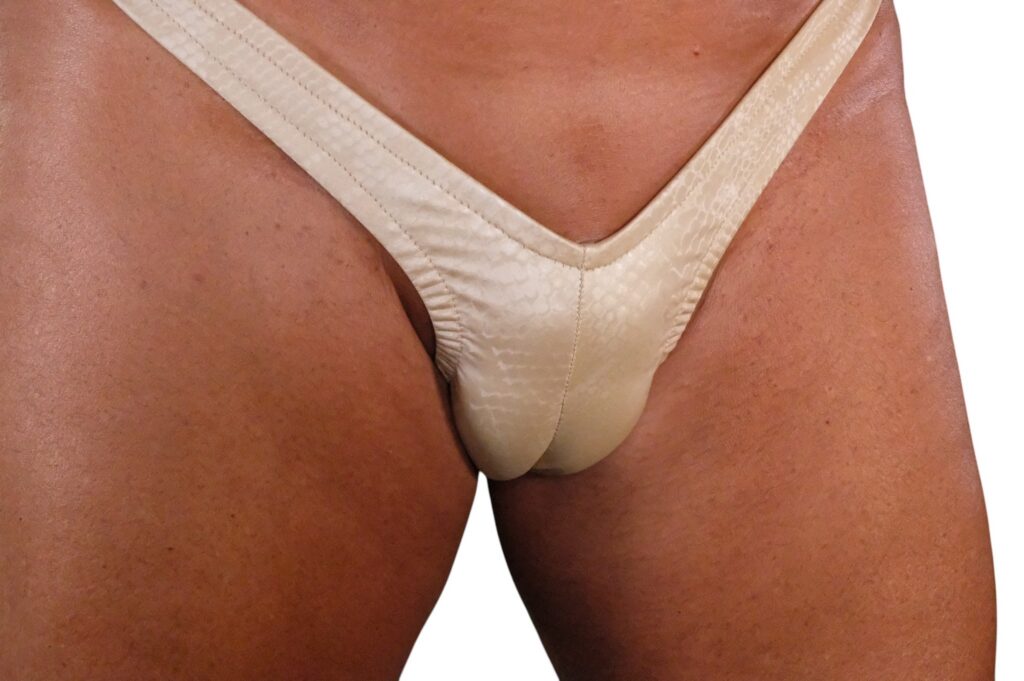
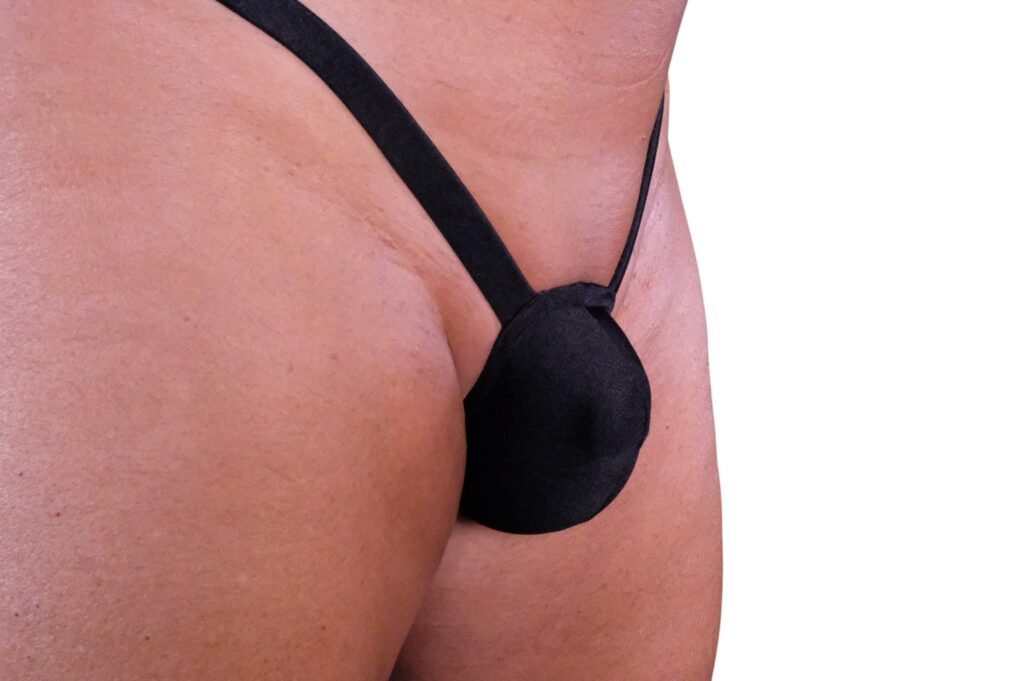
One noticeable feature of many fitted swimwear designs is that they are intentionally cut to follow the body’s natural contours. Rather than hiding the physique under loose fabric, these swimsuits emphasize athletic lines, the waist, legs, and—in some styles—the natural shape of the front of the suit. This body-conscious approach has become one of the defining characteristics of many modern swimwear collections.
A Different Design Philosophy
Traditional board shorts were designed with coverage and a relaxed fit in mind. They borrowed heavily from surfing culture, where mobility, durability, and protection from the board were priorities.
In contrast, fitted swimwear developed around different goals:
Freedom of movement
Minimal drag in the water
Better tanning
A more tailored appearance
Highlighting the body’s natural proportions
Designers often use stretch fabrics and anatomical patterning so the swimsuit conforms to the wearer instead of concealing their shape.
Body-Contouring Rather Than Concealing
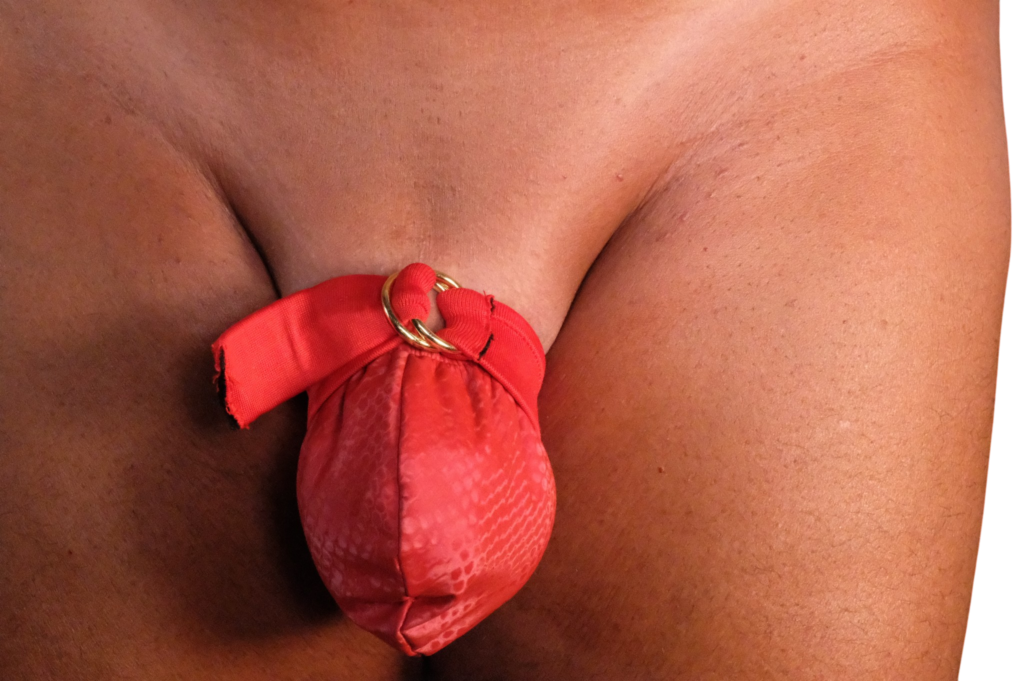
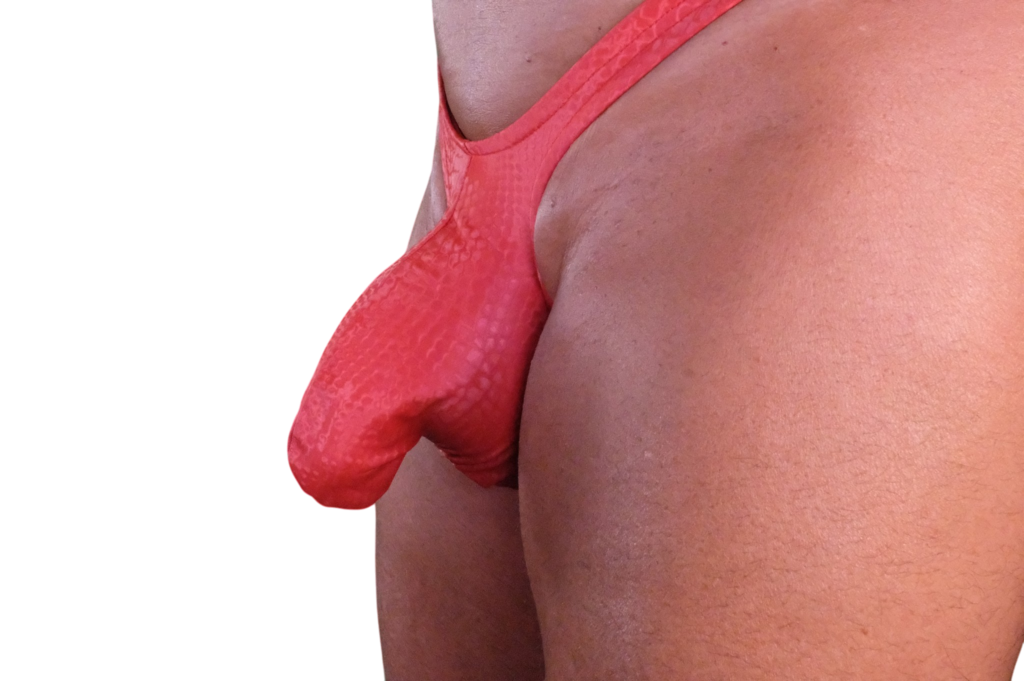
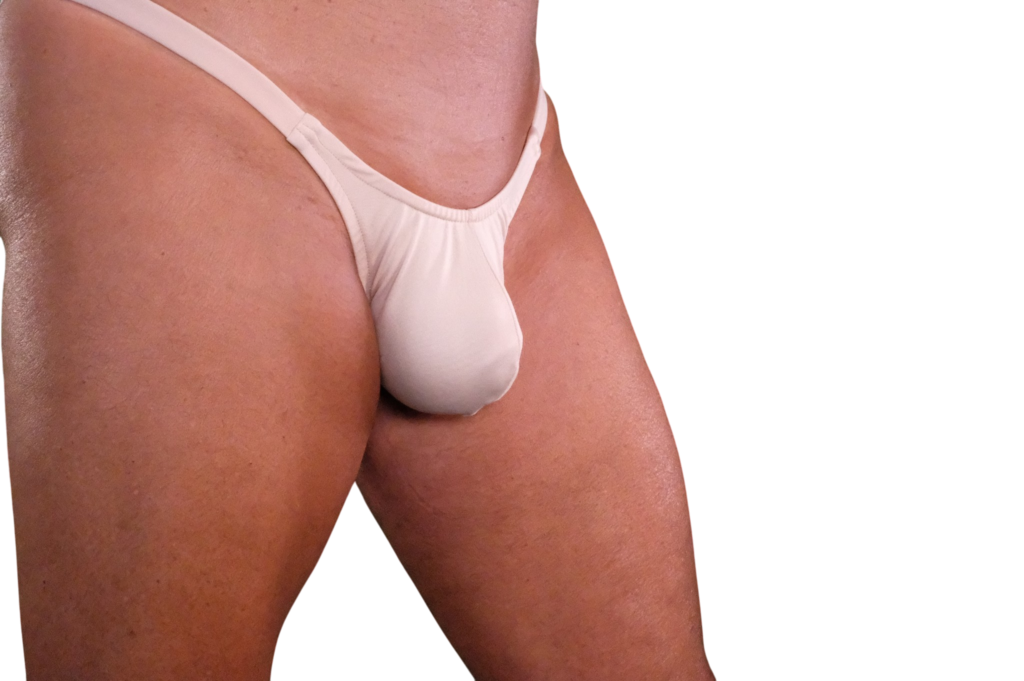
Many swim briefs and bikinis include front panels that provide support while following the body’s natural contours. Some designs use shaped pouches or ergonomic construction to improve comfort and reduce compression. Others keep the front flatter for a streamlined athletic appearance.
These choices are largely about fit and aesthetics rather than serving a single audience. Different brands emphasize different looks depending on whether they are targeting competitive swimmers, fashion-conscious consumers, or resort wear.
The Influence of Gay Fashion
Gay men have long been influential in swimwear fashion because many beach destinations, pool parties, and resort communities embraced fitted styles well before they became common elsewhere.
These environments encouraged experimentation with:
Bold colors
Bright prints
Lower-rise cuts
Higher-cut leg openings
Minimalist bikinis
Swim briefs
Thong styles
Premium stretch fabrics
Designers responding to those markets often introduced innovations that later spread into the broader swimwear industry.
Social Media Changed Everything
The rise of social media helped expose many more people to international swimwear trends. Men now see fitted swimsuits from beaches in Brazil, Spain, Australia, Greece, Mexico, and other destinations where smaller swimwear has long been common.
As a result, many consumers have become more willing to try styles they might never have considered years ago.
Why More Straight Men Are Trying These Styles
It would be inaccurate to suggest that straight men as a group are adopting any one style for the same reason. However, a number of factors have contributed to increased interest in fitted swimwear among men of many backgrounds.
These include:
Better Comfort
Many men discover that fitted swimwear stays in place better while swimming than loose trunks.
Athletic Appearance
Briefs and bikinis complement physiques developed through swimming, cycling, running, and strength training.
Reduced Tan Lines
Minimal coverage produces more even tanning, which appeals to many beachgoers.
International Travel
Travelers visiting beaches in Europe, South America, or parts of Australia often encounter a wider variety of men’s swimwear than they may be accustomed to at home.
Greater Fashion Variety
Today’s market includes everything from conservative square-cut trunks to streamlined briefs and minimalist bikinis, giving men more options than ever before.
Confidence Over Convention
One of the most significant cultural changes has been a growing willingness among many men to wear clothing they enjoy rather than limiting themselves to traditional expectations.
For some, that means choosing shorter inseams.
For others, it means trying fitted swim briefs instead of oversized shorts.
Still others simply appreciate swimwear that feels lighter, dries faster, and offers greater freedom of movement.
Design Innovation Continues
Modern men’s swimwear has become increasingly sophisticated.
Manufacturers experiment with:
Ergonomic pattern construction
Four-way stretch fabrics
Compression panels
Lightweight linings
Seam placement for comfort
Quick-drying materials
Chlorine-resistant fibers
Minimalist silhouettes
These developments have improved both performance and aesthetics.
Fashion Is Becoming More Individual
One of the biggest changes in men’s swimwear is the growing acceptance that there is no single “correct” style. Some men prefer long trunks, others choose classic swim briefs, and others enjoy bikinis or more minimal cuts.
Rather than being defined by sexual orientation, swimwear choices increasingly reflect personal comfort, body confidence, activity level, travel experiences, and fashion preferences.
Looking Ahead
As fashion continues to evolve, the boundaries between traditionally niche and mainstream swimwear are becoming less distinct. Ideas that once appeared primarily in specialty markets have influenced broader collections, while athletic performance fabrics and modern tailoring have made fitted swimwear more comfortable than ever.
The result is a marketplace with far greater variety, allowing men to choose styles that best fit their bodies, lifestyles, and personalities. Whether someone prefers classic trunks, streamlined briefs, or contemporary bikinis, today’s swimwear industry offers more choices than at any point in its history, reflecting a wider acceptance of individual style and self-expression.
Gay Men’s Swimsuits: The Styles Most Popular at Pool Parties, Cruises, and the Beach
Swimwear has long been one of the most expressive categories in gay men’s fashion.
Unlike everyday clothing, swimwear removes layers, simplifies style choices, and puts fit, color, confidence, and personality front and center. Beaches, resort destinations, cruise vacations, and pool parties have historically become places where trends appear earlier and evolve faster than mainstream men’s fashion.
That does not mean there is one “gay swimsuit.”
Far from it.
Gay men wear everything from classic boardshorts to ultra-minimal cuts. But over time certain silhouettes, fabrics, and styling approaches became especially popular because they combine comfort, body confidence, athletic aesthetics, and personal expression.
Here is a look at the styles that often show up at pool parties, on cruises, and at beaches.
Why Swimwear Became Such a Big Style Category
Swimwear occupies a unique place in fashion.
There are fewer layers.
Fit matters more.
Small details become highly visible.
That environment tends to encourage experimentation.
As a result, swimwear trends in gay communities have often emphasized:
Tailored fit
Body-conscious cuts
Stretch fabrics
Confident silhouettes
Color and print experimentation
Fashion-forward styling
Many of these trends later influence broader men’s fashion.
The Classic Swim Brief: The Foundation Style
If one category dominates modern gay swimwear culture, it may be the swim brief.
Swim briefs remain popular because they balance:
Athletic appearance
Comfortable movement
Minimal bulk
Clean lines
Easy wearability
Briefs work in almost every environment:
Pool Parties
Sporty and social.
Cruises
Easy to pack and quick drying.
Beaches
Comfortable for long days in the sun.
Many wearers prefer them because they feel intentional and styled without becoming overly dramatic.
Typical variations include:
Traditional athletic briefs
Lower-rise cuts
Higher-leg silhouettes
Retro-inspired designs
Minimal side profiles
Bikini Swimwear: Fashion Meets Minimalism
Bikini swimwear pushes the silhouette smaller while maintaining structure.
These styles became especially popular in resort and vacation settings.
Common reasons include:
Better tan lines
Lightweight feel
More visible physique lines
Less fabric restriction
Bikini cuts often feel more fashion-oriented than athletic.
At social pool environments, these designs frequently create a polished vacation aesthetic without feeling extreme.
Short Shorts and Swim Shorts With Tailored Cuts
Not everyone wants briefs.
Short swim shorts have become one of the fastest-growing categories.
These designs offer:
More coverage than briefs
More shape than boardshorts
Easier transition to bars and restaurants
Vintage-inspired styling
Popular details include:
3–5 inch inseams
Stretch fabric
Split hems
Fitted waists
This category often appeals to men who want a fashionable look while staying versatile.
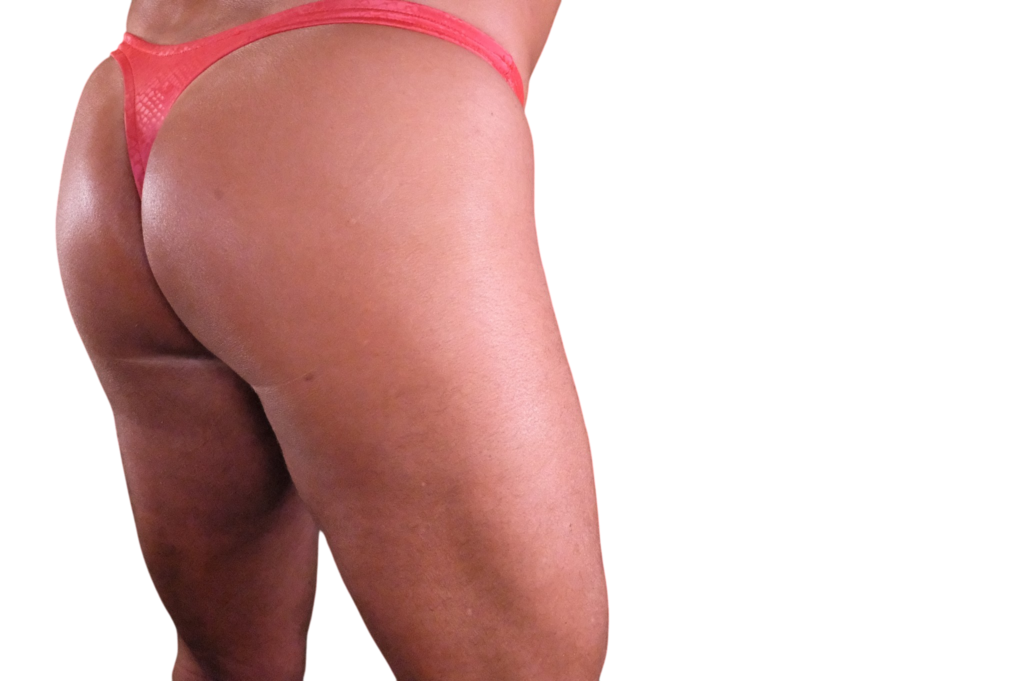
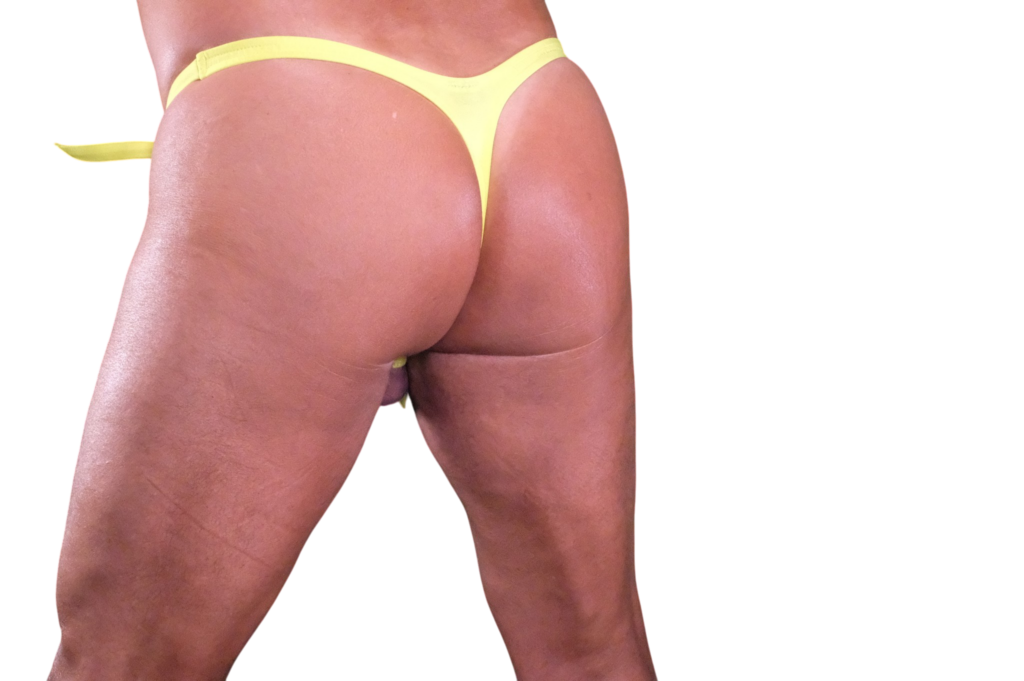
The Rise of Men’s Thong Swimwear
Thongs have become increasingly visible in certain beach and cruise environments.
While still more niche than briefs, they continue growing because many wearers appreciate:
Minimal tan lines
Maximum freedom
Clean body lines
Lightweight comfort
Pool parties and adults-only resort settings are often where thong styles appear most frequently.
Many men describe the appeal less as attention-seeking and more as confidence and simplicity.
Micro and Ultra-Minimal Styles
Micro swimwear has become an increasingly visible trend.
These styles reduce coverage while emphasizing:
Fit
Fabric quality
Minimal seams
Contemporary silhouettes
Characteristics often include:
Narrow sides
Compact front construction
Higher leg cuts
Lightweight feel
These styles tend to appear more often at:
Destination resorts
Fashion-forward pool events
Beach vacations
Cruise environments
Cruise Swimwear Has Its Own Personality
Cruises often create a unique swimwear culture.
People pack intentionally.
They expect to spend days moving between:
Pools
Sun decks
Lounges
Theme events
Beaches
As a result, many travelers bring multiple looks:
Morning:
Short tailored swim shorts
Pool deck:
Briefs or bikinis
Beach excursion:
Athletic swimwear
Sunset:
Resort shorts and relaxed styling
Cruise environments often encourage more experimentation than everyday life.
Pool Party Style Is Usually More Fashion-Oriented
Pool parties tend to emphasize presentation.
Common elements include:
Bold colors
Coordinated accessories
Fitted silhouettes
Fashion fabrics
Clean styling
Popular combinations:
Swim briefs + open shirt
Mini shorts + tank
Bikini cuts + lightweight cover-ups
The overall goal is usually effortless confidence rather than performance.
Beach Style Is Often More Relaxed
Beach culture varies enormously by location.
But many beachgoers prioritize:
Comfort
Sun exposure
Easy movement
Long-wear practicality
This often leads to:
Briefs
Bikinis
Short swim shorts
Stretch fabrics
Some locations skew sporty.
Others lean fashion-forward.
Color and Fabric Trends
Across nearly every category, some trends continue showing up:
Colors:
White
Black
Bright solids
Tropical prints
Earth tones
Color blocking
Fabrics:
Spandex blends
Matte finishes
Smooth compression fabrics
Lightweight technical materials
Fit remains more important than almost any specific color.
Final Thoughts
Gay men’s swimwear has helped push men’s beach fashion toward better fit, more variety, and greater freedom of expression.
Whether the choice is a classic brief, tailored short, bikini, thong, or micro silhouette, the underlying trend is less about wearing less and more about wearing intentionally.
At pool parties, on cruises, and at the beach, the most popular styles tend to have one thing in common:
They look like the wearer chose them because they feel great in them—not because someone else decided what men are supposed to wear.
A Detailed Exploration of Confidence, Identity, and Style (No Photos)
Introduction: More Than Just Swimwear
“Out and Proud” men’s swimwear is not simply about what a man wears to the beach or pool—it is about visibility, identity, confidence, and cultural expression. It represents a shift from hiding the body to celebrating it, from conforming to expectations to redefining them.
For many men—especially within LGBTQ+ communities—swimwear has become a powerful tool of self-expression. What was once restricted by rigid ideas of masculinity has evolved into a space where individuality thrives.
The Meaning of “Out and Proud” in Swimwear
To be “out and proud” in swimwear means:
Owning your identity openly
Rejecting restrictive norms of masculinity
Celebrating your body instead of hiding it
Expressing personality through bold design choices
Wearing expressive or revealing swimwear in public spaces—beaches, pools, resorts—can be a subtle but powerful statement. It asserts presence in environments where queer visibility hasn’t always been welcomed.
This is especially meaningful because swimwear is one of the most body-exposing garments a person wears, making it deeply tied to confidence and self-acceptance.
A Brief Cultural History
From Modesty to Expression
Men’s swimwear has undergone a dramatic transformation:
Early designs prioritized coverage and modesty
Mid-20th century introduced form-fitting briefs
Late 20th century shifted toward loose boardshorts
Today’s landscape embraces everything from full coverage to ultra-minimal styles
Historically, swimwear evolved alongside changing attitudes about the body and public decency.
The Role of LGBTQ+ Influence
The LGBTQ+ community—especially gay men—played a major role in pushing swimwear forward:
Embracing body-conscious designs like briefs and bikinis
Normalizing bold colors, prints, and cuts
Challenging the idea that men must dress conservatively
Even iconic pieces like swim briefs have carried cultural meaning beyond function, often tied to identity and social expression.
Core Elements of Out and Proud Swimwear
1. Bold Design and Color
Out and proud swimwear often features:
Bright neons and saturated colors
Rainbow or pride-inspired patterns
Graphic prints and statement visuals
These choices signal visibility and individuality—refusing to blend into the background.
2. Body-Positive Cuts
Unlike traditional men’s swimwear that often hides the body, these styles embrace it:
Swim briefs (Speedo-style)
Bikinis and low-rise cuts
Thongs and G-strings
Micro and ultra-micro designs
These silhouettes highlight the physique and encourage body confidence rather than concealment.
3. Expressive Pouch Design
One of the most defining features in modern men’s swimwear is the pouch:
The Best Beaches in the World to Wear Gay Men’s Swimwear
For many gay men, the beach is more than just a place to swim—it is a runway, a social scene, and a space of freedom where self-expression through swimwear is celebrated. From classic Speedo briefs to daring micro thongs and cutting-edge designer suits, gay beach destinations around the world have helped shape swimwear culture for men.
These beaches are famous for their welcoming atmosphere, vibrant LGBTQ+ communities, and stylish crowds who aren’t afraid to show off bold swimwear choices. In these places, tiny bikinis, thongs, and avant-garde designs are not unusual—they’re part of the culture.
Below is a detailed guide to some of the best beaches in the world where gay men confidently wear stylish, sexy swimwear.
Fire Island Pines & Cherry Grove – New York, USA
Fire Island is widely considered one of the most iconic gay beach destinations in the world. Located just off Long Island, it has been a sanctuary for LGBTQ+ travelers for decades.
The island’s two famous communities—Fire Island Pines and Cherry Grove—have long served as gathering places for gay men looking for freedom, nightlife, and beach culture. The area’s LGBTQ+ history stretches back to the early 20th century, when artists, writers, and performers began vacationing there as a safe place to live openly.
Why It’s Perfect for Gay Swimwear
Fire Island’s beach culture celebrates individuality and body confidence. You’ll see every possible style of men’s swimwear here:
Classic Speedo briefs
Brazilian bikinis
Ultra-micro pouch suits
Thongs and g-strings
Nude sunbathing sections
Unlike many mainstream beaches where men still wear large board shorts, Fire Island has long normalized tiny swimwear for men.
The Culture
The beach scene connects directly with the island’s legendary social life:
Afternoon “tea dances” after the beach
Pool parties at beach houses
Drag performances and cabaret shows in Cherry Grove
A massive community of stylish gay men showing off their favorite swimsuits
In short, Fire Island is a place where swimwear becomes part of identity and social connection.
Playa Los Muertos – Puerto Vallarta, Mexico
Puerto Vallarta is often called the gay capital of Latin America, and Playa Los Muertos is its legendary gay beach.
The southern section of the beach, near the Zona Romántica district, is where the LGBTQ+ crowd gathers. Beach clubs like Mantamar attract thousands of gay travelers every year.
Swimwear Style Scene
Playa Los Muertos is known for bold swimwear trends:
Brightly colored Speedos
Latin-style bikini briefs
Designer thongs
Ultra-tiny tan-line suits
The warm weather and festive energy create a carefree atmosphere where minimal swimwear is completely normal.
Why It’s Unique
This beach blends several worlds together:
tropical vacation energy
stylish international travelers
local Mexican beach culture
vibrant LGBTQ nightlife
Many gay men say the beach feels like a social hub where you can meet people within minutes.
Es Cavallet – Ibiza, Spain
Ibiza is famous for nightlife, but it also hosts one of Europe’s most iconic gay beaches: Es Cavallet.
Located in a natural reserve with long white sand dunes, this beach has become one of the most fashionable LGBTQ beach destinations in Europe.
It is known for its beach bar Chiringay, a famous gathering spot where gay travelers mingle all day.
Swimwear Culture
European beach culture is far more relaxed about men wearing small swimsuits. As a result, Es Cavallet has one of the most stylish swimwear scenes anywhere.
Expect to see:
Italian designer bikinis
skimpy tan-through suits
micro thongs
fashionable resort swimwear
Many men treat the beach as a place to show off designer swimwear the same way people show fashion on city streets.
Sitges – Spain
Sitges, located near Barcelona, has been one of Europe’s gay beach capitals for decades.
Several beaches in Sitges attract gay crowds, including:
Platja de la Bassa Rodona
Playa del Muerto
Platja dels Balmins
Swimwear Fashion
Sitges is famous for its incredibly stylish beach crowd. It is common to see:
ultra-low-rise swim briefs
thong swimwear
tiny European bikinis
fashionable micro swimwear
Spanish and Italian swimwear trends often start at beaches like this before spreading worldwide.
Social Atmosphere
Sitges combines beach relaxation with nightlife. After sunset, beachgoers move to nearby bars, clubs, and rooftop parties.
This connection between beach culture and nightlife has helped make Sitges a fashion hotspot for daring men’s swimwear.
Mykonos – Greece
Mykonos has become one of the most glamorous gay beach destinations in the world.
Beaches like Elia Beach and Super Paradise Beach attract LGBTQ travelers from across Europe, North America, and Australia.
Swimwear Trends
Mykonos is known for luxury beach culture. Swimwear here often falls into three categories:
Fashion-Forward Designer Looks
designer swim briefs
minimalist European bikinis
Sexy Party Styles
thong swimwear
tiny Brazilian cuts
Body-Confidence Minimalism
nude sunbathing areas
ultra-micro suits
The Scene
Mykonos blends beach time with high-end nightlife.
Typical daily routine:
Beach lounging in stylish swimwear
Afternoon beach club parties
Sunset cocktails
Legendary nightclub scene
For many gay travelers, Mykonos represents the ultimate luxury beach experience.
Mar Bella – Barcelona, Spain
Mar Bella is one of the most famous urban gay beaches in Europe.
Located in Barcelona, it attracts both locals and international travelers.
The beach also includes clothing-optional sections and a lively LGBTQ crowd.
Swimwear Style
Mar Bella is known for fashion-forward beachgoers wearing:
skimpy European swim briefs
bold patterned bikinis
mesh or tan-through suits
minimal thongs
Because Barcelona is a design capital, the beach often becomes a place where new swimwear trends appear.
Maspalomas – Gran Canaria
The dunes of Maspalomas are one of the most unique gay beach environments in the world.
This beach features miles of golden sand dunes and is famous for its LGBTQ area near kiosk #7.
Swimwear Culture
Maspalomas has an incredibly diverse swimwear scene:
classic Speedos
micro thong swimwear
fetish-inspired swim styles
nude sunbathing areas
Because of its relaxed atmosphere, it’s one of the few beaches where men feel completely comfortable experimenting with bold styles.
Why Gay Beaches Shape Men’s Swimwear Trends
Gay beach culture has played a major role in the evolution of men’s swimwear.
Many trends that began in gay communities later spread to mainstream fashion.
Examples include:
Speedo briefs becoming fashionable again Brazilian bikini cuts for men micro and ultra-micro swimwear designs body-positive swimwear styles
At these beaches, swimwear becomes a form of identity and creativity rather than just clothing.
The Beach as a Runway
For many gay men, the beach is a place to express:
confidence
sexuality
fashion creativity
community
A tiny swimsuit can symbolize freedom, pride, and self-expression.
On the world’s best gay beaches, wearing bold swimwear isn’t unusual—it’s celebrated.
✅ In the end, the best beach for gay men’s swimwear is any place where confidence, style, and individuality are welcome.
From Fire Island to Ibiza, these beaches prove that the sand can be as much a fashion runway as any city street.
The Hottest Styles of Gay Men’s Swimwear for Femboys
Gay men’s swimwear has always been one of the most expressive corners of fashion—bold, body-positive, and unapologetically playful. In recent years, the rise of the femboy aesthetic—a blend of feminine styling, softness, and self-expression—has reshaped what “sexy swimwear” looks like for many queer men. Today’s hottest styles don’t just highlight the body; they explore androgyny, femininity, and fluid identity in exciting new ways.
Below is a deep dive into the hottest swimwear trends shaping femboy fashion right now—from cuts and silhouettes to fabrics, colors, and styling.
1. Ultra-Feminine Cuts & Silhouettes
At the core of femboy swimwear is the move toward feminine-leaning silhouettes. Instead of hiding the body, these designs emphasize curves, softness, and delicacy.
Key Styles
High-cut briefs that sit higher on the hip to elongate the legs
String bikini bottoms and side-tie designs
Thong and micro-brief styles for minimal coverage
Low-rise, barely-there fits that sit below the natural waist
These shapes reflect the broader trend of briefs and minimal silhouettes making a comeback, with swim briefs once again becoming a dominant style for men’s swimwear.
For femboys, the appeal is simple: these cuts soften the masculine line of the body and create a more delicate, traditionally “feminine” profile.
2. Pastels, Pink Palettes & Soft Color Stories
Color is one of the easiest ways to shift a swim look from masculine to feminine.
Trending Color Directions
Soft pastels (baby pink, lavender, powder blue)
Candy tones and glossy “Barbie-inspired” hues
Femboy pride colors (pink, white, light blue)
Muted neutrals with a soft finish like blush, cream, and sand
Within LGBTQ+ fashion, vibrant and expressive colors have long been a sign of identity and pride, with color playing a central role in swimwear expression.
For femboys, these softer palettes communicate playfulness, sweetness, and approachability—a contrast to the darker or more aggressive tones historically associated with men’s swimwear.
3. Micro & “Second Skin” Spandex
One of the most defining elements of femboy swimwear is fabric choice.
Why Spandex & Lycra Dominate
Ultra-stretchy materials create a smooth, body-hugging silhouette
Thin fabrics allow for subtle shaping and contouring
Minimal seams create a clean, almost “painted-on” look
Modern swimwear brands are increasingly focusing on high-performance, body-conscious materials that enhance comfort and fit while emphasizing shape and confidence.
For femboys, this “second-skin” effect contributes to a sleeker, softer presentation—less bulk, more fluidity.
4. Androgynous & Gender-Neutral Designs
The line between men’s and women’s swimwear continues to blur. Today’s femboy styles often incorporate elements from both sides of the fashion spectrum.
Common Gender-Neutral Features
Unisex bikini tops or crop-style tops paired with briefs
Square-cut hybrids between trunks and briefs
Body-hugging one-piece or monokini-inspired designs
Matching swim sets styled like lingerie or athletic wear
This reflects a larger shift in fashion toward inclusive, identity-fluid design, where swimwear becomes a tool for self-expression rather than strict gender signaling.
5. Playful Prints, Kawaii Themes & Fantasy Aesthetics
Femboy swimwear often leans into a cute, playful, or fantasy-driven aesthetic rather than purely “sexy.”
Popular Print Directions
Anime and kawaii-inspired graphics
Hearts, stars, clouds, and pastel patterns
Glitter finishes or holographic fabrics
Pride-inspired rainbow or pastel stripes
The broader swimwear market is already embracing vibrant prints and bold expression as a core trend in LGBTQ+ fashion, making these looks more mainstream than ever.
6. Minimalist Bulge or Softened Contour Styling
While traditional gay swimwear often emphasized a pronounced bulge, many femboy styles move in a different direction—toward a smoother, softer front profile.
This is achieved through:
Flat-front pouches or minimal shaping
Compression-style fits
Subtle contouring that avoids exaggeration
The result is a more androgynous silhouette, aligning with the femboy goal of blending masculine and feminine cues into one cohesive look.
7. Layering & Accessories for a Complete Look
Femboy swimwear isn’t just about the suit—it’s about the full presentation.
Popular Styling Add-Ons
Sheer mesh tops or crop tanks
Lightweight kimonos or robes
Chokers, bracelets, and delicate jewelry
Thigh-high socks or legwear for beach events
Even mainstream gay swimwear styling now incorporates layered looks and accessories to create a full visual identity beyond just the suit.
8. Confidence, Body Positivity & Self-Expression
Above all, the hottest trend in gay femboy swimwear isn’t a specific cut or color—it’s confidence.
Modern swimwear culture emphasizes:
Body positivity
Gender freedom
Personal expression
Playfulness and joy
This cultural shift—seen across LGBTQ+ fashion—encourages people to wear what makes them feel good rather than what fits traditional expectations.
Final Thoughts
The evolution of gay men’s swimwear for femboys represents something much bigger than fashion. It’s about freedom of identity, playful femininity, and the ability to design your own look on your own terms.
From ultra-micro briefs to pastel bikinis, from androgynous silhouettes to kawaii prints, today’s femboy swimwear scene is vibrant, expressive, and constantly evolving.
And most importantly—it’s about feeling cute, confident, and completely yourself when you step into the sun.
The Best Designs to Wear If You Want Attention From the Guys
A gay cruise is unlike any other vacation. It’s a floating resort, a social experiment, and a nonstop fashion showcase where swimwear becomes your primary form of self-expression. Onboard pool decks, beach excursions, and sun-drenched lounges, what you wear communicates confidence, flirtation, status, and sexual energy long before you ever start a conversation.
On a gay cruise, swimwear isn’t just practical—it’s social signaling. The right suit doesn’t merely look good; it attracts attention, invites eye contact, and opens doors.
This guide explores the swimwear designs that consistently turn heads on gay cruises, why they work so well, and how to choose the right style for maximum impact.
Why Swimwear Matters So Much on a Gay Cruise
Unlike land vacations, where swimwear is occasional, gay cruises turn it into an all-day uniform.
Pool decks replace bars as social hubs
Swimwear is worn for hours at a time
Body confidence is celebrated rather than judged
Expressive, minimal designs are the norm
Because of this, guys notice details—cut, fit, fabric tension, and how effortlessly you wear your suit. Swimwear becomes a conversation starter and a form of nonverbal flirting.
1. The Swim Brief: The Gay Cruise Standard
Swim briefs remain the most popular and universally accepted style on gay cruises. They signal comfort, confidence, and belonging.
Why they work so well:
They frame the male body clearly and honestly
They show thighs and glutes without being extreme
They’re familiar yet still undeniably sexy
Design details that attract attention:
Higher leg cuts
Contoured or compression pouches
Smooth spandex fabrics
Solid colors like black, white, red, or deep blue
A well-fitting brief that rides slightly higher than average often draws more attention than a conservative cut. It suggests ease and confidence without trying too hard.
2. Men’s Bikinis: Unexpected and Memorable
Men’s bikinis thrive on gay cruises because they challenge expectations while remaining undeniably sexy.
Why bikinis stand out:
Narrow sides emphasize hips and waist taper
Lower front rises highlight the pelvis
They blur the line between masculine and feminine energy
Bikini styles with Brazilian-cut backs or ultra-minimal side straps tend to attract second looks. They feel playful, daring, and expressive—perfect for cruise environments where experimentation is welcomed.
Men who wear bikinis confidently often come across as open, flirtatious, and socially bold.
3. Thongs and G-Strings: Bold Commitment
Thongs and G-strings are no longer shocking on gay cruises—they’re a recognized power move.
Why they get attention:
They fully commit to exposure
They showcase glutes unapologetically
They remove any ambiguity about confidence
These styles perform best during peak social moments: afternoon pool parties, beach days, or themed events. They tend to attract confident admirers and bold flirtation.
The key to pulling off a thong or G-string is comfort. If you’re constantly adjusting it, the illusion breaks. When worn casually and naturally, they project ease and dominance.
4. Micro and Ultra-Micro Swimsuits: Maximum Impact
Micro swimwear takes cruise fashion to its most daring edge.
What defines micro styles:
Extremely narrow front coverage
High-tension spandex construction
Minimal side straps or seams
Visual reshaping of the bulge
These designs draw attention because they’re rare and intentional. They’re not accidental—they announce confidence, exhibitionism, and control.
Fit is critical here. A micro suit that fits correctly looks powerful and deliberate. One that doesn’t fit properly looks uncomfortable or unplanned.
5. Short Shorts and Square-Cut Swimsuits: Controlled Tease
For men who want attention without total exposure, ultra-short swim shorts and square-cut suits offer a compelling middle ground.
Why they work:
They emphasize thighs and glutes
They ride up naturally when wet
They suggest more than they reveal
The ideal inseam is short—generally two to four inches. Anything longer quickly reads as conservative rather than flirtatious in a gay cruise environment.
6. Fabric and Color Choices That Stand Out
Fabric choice matters almost as much as cut.
Fabrics that attract attention:
High-shine spandex
Satin-finish blends
Wet-look materials
Ultra-thin compression fabrics
Colors that perform best:
White (bold and revealing)
Neon shades (party energy)
Black (sleek and dominant)
Metallics (especially effective at night)
Solid colors tend to photograph better and look more intentional than busy patterns, especially under bright sun.
7. Confidence Is the Real Multiplier
The most revealing swimsuit won’t work if you look uncomfortable wearing it.
Guys notice:
Posture and movement
How relaxed you appear
Whether you treat your swimwear choice as normal
Confidence cues include steady body language, relaxed walking, and minimal adjusting. On a gay cruise, bold swimwear worn casually is far more attractive than safe swimwear worn nervously.
Final Thoughts
Gay cruises are one of the few environments where bold, minimal, expressive swimwear isn’t just accepted—it’s celebrated. Whether you choose a classic swim brief, a daring thong, or a barely-there micro design, the best suit is the one that makes you feel confident, relaxed, and seen.
If you feel good wearing it, that energy carries—and others notice.
What “Gay Men’s Swimwear” Actually Means (and why the label sticks)
“Gay men’s swimwear” usually doesn’t mean “only gay men wear this.” It’s more like a cultural shorthand for certain cuts, fits, and styling cues that have been popularized in gay communities, amplified by fashion imagery, and then copied by straight guys who simply like the look and feel.
In other words: it’s less a sexuality test and more a style category—the same way “skater shoes” aren’t only worn by skaters, and “festival fashion” isn’t only worn at festivals.
1) The label is about signals, not rules
When people say “that’s gay men’s swimwear,” they’re usually reacting to signals they’ve learned to associate with gay male style:
More skin + more shape (bikini cuts, high legs, cheeky backs)
Intentional sexiness (it looks like it’s meant to be noticed)
Fashion-forward silhouettes (smaller, tighter, more stylized than “default” board shorts)
Confidence-coded styling (posing, grooming, tan lines, accessories, color choices)
Those signals got strongly linked to gay male spaces because gay beach culture, club pool parties, cruise scenes, and gay-friendly resorts often reward bold, body-celebrating fashion. Over time, the association hardened into a stereotype: small + sexy = gay.
But stereotypes are about patterns people notice, not about who is “allowed” to wear something.
2) Why bikinis, thongs, G-strings, and boy-shorts get labeled “gay”
A) They reject the “don’t try too hard” straight-male uniform
In many straight social settings (especially in the U.S.), the default expectation for men is:
Look athletic, but don’t look like you’re trying to look sexy
Wear something “practical” (board shorts) even if it’s not flattering
Avoid anything that could be read as “performative”
So when a guy wears a bikini brief, thong, or G-string, it reads as: “I am choosing sex appeal on purpose.” That’s often coded as “gay” because gay male culture has historically been more open about men presenting themselves as desirable to other men.
B) They spotlight the body (and especially the butt)
Thongs and cheeky cuts place emphasis on the glutes and legs, and many cultures still sexualize men’s butts in a way that gets quickly labeled as “gay,” even though attraction to men’s bodies exists across orientations.
C) They’re linked to specific scenes that set the aesthetic
Think: party beaches, circuit events, Mykonos/Ibiza/Sitges-style resort culture, gay pool parties, and social media fitness-influencer looks. Those visuals shape what people think “gay swimwear” is: minimal fabric + maximal confidence.
D) They’re “designed” instead of “utility”
Bikinis, thongs, and micro-styles often include fashion details—high-cut hips, contour seams, bold prints, glossy fabrics, ring hardware, string sides—so they feel like fashion, not just something you throw on to swim. That again gets coded as “gay” because it breaks the “function-first” stereotype that’s expected of straight men.
3) The truth: straight men wear these styles all the time
Across the world, men’s swimwear norms vary massively:
In parts of Europe, Latin America, and beaches with strong fashion culture, briefs are ordinary and not seen as a sexuality flag.
In fitness and bodybuilder circles, smaller cuts are worn because they’re flattering, freeing, and show progress.
Plenty of straight men adopt thongs or cheeky cuts because they like:
better tan lines
less drag / more freedom
feeling sexy
showing off legs/glutes
the “second-skin” sensation
So the style gets called “gay men’s swimwear” largely because of who popularized it and who’s most associated with wearing it confidently, not because straight men don’t wear it.
4) “Idealized as gay men’s swimwear” — what that really means
Even when straight men wear these styles, the fantasy marketing around them often targets gay male desire:
Campaign images emphasize male gaze cues (confidence, tease, body display)
Cuts are designed to be provocative (high leg, minimal back, sculpted front)
Styling leans into club/party energy rather than family-resort modesty
So the category becomes “idealized” as gay men’s swimwear because it’s frequently built around gay taste culture—not exclusively, but noticeably.
And that’s why the label persists: it’s a market + aesthetic identity that’s been strongly shaped by gay spaces.
5) A useful way to think about it: three overlapping circles
Instead of “gay vs straight,” think of three categories that overlap:
Styling intent: sporty vs fashion vs erotic vs playful
Context: family beach vs resort party vs gay beach vs private pool
A thong at a gay pool party reads “normal.” A thong at a conservative family beach reads “shockingly bold.” Same suit. Different social meaning.
So “gay men’s swimwear” is often just bold men’s swimwear that becomes “gay-coded” depending on where and how it’s worn.
6) Reclaiming the label without letting it box you in
If you like bikinis, thongs, G-strings, or little boy-short styles, you don’t need to defend them with a TED Talk. A few frames that keep it simple:
“It’s just a cut I like.”
“More comfortable and better tan lines.”
“I’m dressing for myself.”
“It’s swimwear—people can relax.”
If someone insists on labeling it, that says more about their assumptions than your identity.
7) What these styles communicate (when worn well)
Regardless of orientation, these cuts tend to communicate:
Confidence (you’re comfortable being seen)
Body awareness (you chose a fit that shows shape)
Playfulness (a flirtier vibe than board shorts)
Fashion sense (you’re treating swimwear like style)
That’s why they’re powerful—and why they get stereotyped. They’re not shy.
Bottom line
“Gay men’s swimwear” is mostly a cultural label for swimwear styles that are:
smaller, tighter, and more body-revealing
more intentionally sexy and fashion-forward
historically popular and celebrated in gay male social scenes
But the styles themselves are not “gay.” They’re just flattering, freeing, and bold—and plenty of straight men wear them because they feel great and look even better.
Swimwear might at first look like a trivial category of clothing — something you throw on for the beach or pool. But for gay men (and queer communities broadly), swimwear can carry layers of meaning: visibility, pride, desire, body image, and resistance. To be “proud” in gay men’s swimwear is to claim space, assert identity, and challenge norms about what’s acceptable, modest, or desirable in male bodies.
In this article, I’ll explore:
The historical and cultural context of men’s swimwear and queer visibility
Key aesthetics, styles & innovations in gay men’s swimwear today
The social, political, and identity dimensions of proudly queer swimwear
Tips and guide for choosing and styling gay pride swimwear
Challenges, critiques, and ongoing evolution
A look ahead: what’s next for proud gay men’s swimwear
1. Historical & Cultural Context
The evolution of men’s swimwear
Men’s swimwear has shifted drastically over the past century. In the early 20th century, men often wore relatively modest, full-body suits (like wool “tank suits”) that covered much of the torso and thighs. Over time, fabrics changed (lighter synthetics), cuts shortened, and silhouettes became more revealing. Ecce Homo underwear+1
In queer culture, the body — and public display of the body — has always held tension. For many decades, gay men had limited visibility, often relegated to coded imagery (physique magazines, underground photography, discreet gay beach spots). Under such constraints, even small choices about how much skin to show or how form-fitting a suit could be became loaded with meaning.
In more recent decades, as LGBTQ+ rights and visibility expanded, so did the boldness of queer swimwear. Brands began to cater directly to gay men, highlighting fit, color, and statement design.
One illustrative example: the “Speedo” or swim brief carries a queer cultural resonance. Some commentators argue that the swim brief is a statement: it says the wearer is comfortable being seen, comfortable with their body, willing to return to the gaze and reclaim sexual power. The Independent+1
Also, gay-owned fashion brands with roots in fetish, nightlife, or queer aesthetics (e.g. Nasty Pig) expanded into swimwear as a natural extension of their identity-driven design ethos. Wikipedia
Early queer swimwear retail and visibility
One pioneering example is Ah Men, a boutique in West Hollywood founded in the late 1950s/1960s that specialized in flamboyant, see-through, form-fitting swimwear and erotic underwear for gay men. It was one of the earliest retail spaces catering explicitly to gay male style, helping to carve out a niche of queer clothing beyond mainstream men’s fashion. Wikipedia
These early spaces helped normalize the idea that gay men could (and should) have their own swimwear aesthetics, not just adopt heteronormative or conservative menswear by default.
2. Styles, Aesthetics & Innovations in Gay Pride Swimwear
Today, “proud gay men’s swimwear” is a broad and thriving category. There’s an exciting diversity of style, from subtle expressions of identity to bold, flamboyant statements.
Here are some of the key currents:
Rainbow, Pride & Symbolic Motifs
Rainbow stripes / progress flag motifs: Using the rainbow or progress pride colors is perhaps the most overt signal of LGBTQ+ pride in swimwear. Many swim trunks, briefs, and board shorts now feature these as all-over prints or accent stripes.
Hearts, slogans, subtle icons: Some men prefer more playful or subtle signals — a small rainbow heart, “PRIDE” typography, or gradient transitions.
UV-reactive or glow-in-the-dark prints: For evening pool parties, these designs add performance flair. Queerty’s summer picks include swimwear that “glow(s)” or reflect in the dark. Queerty
Cut & Shape
Swim briefs / Speedos: These remain a signature queer swim shape — minimal coverage, high-leg cuts, and body contouring. As noted, wearing a Speedo can be a statement of confidence and visibility. The Independent+1
Shorter trunks & boardshorts: The trend toward shorter inseams (4–6 inches or even shorter) has grown, leveraging leg exposure and an athletic silhouette. A recent fashion trending note calls this a “thigh guy summer,” where men are more comfortable showing thighs. The Guardian
Mesh, cutouts, harness detailing: Borrowed from fetish or nightlife aesthetics, some swimwear includes mesh panels, side cutouts, or even harness-like straps. These add bold visual and sensual interest.
Hybrid / convertible designs: Some swimwear combines briefs with detachable skirts, shorts overlays, or zip-off panels for varying levels of coverage.
Materials & Technology
Quick-dry fabrics, stretch synthetics, recycled materials: Comfort and performance are essential — swim pieces use breathable, chlorine-resistant, stretchy fabrics. Brands sometimes lean into eco-conscious materials (e.g. recycled polyester).
Lining & support: Built-in pouches, jockstrap supports, or ergonomic panels help with comfort, shape, and modesty where desired.
High-definition digital prints: Sophisticated gradient, photo-quality prints, or geometric designs are more accessible today.
Designer & Boutique Brands
Chris Turk Swim: A brand deeply rooted in queer aesthetics and community-driven design. Its visibility in fashion/editorial contexts helps expand what gay swimwear can look like. getoutmag.com
Alphonse Swimwear (Mexico): A niche “gay Speedo” label producing bold, body-conscious suits for holiday destinations. Queerty
Eliad Cohen (designer): Known for his work in gay nightlife and events, Cohen has also stepped into swimwear design, bringing a party sensibility to the pool. Wikipedia
In sum, there’s no single “gay swimwear look” — the range spans minimal to maximal, subtle to flamboyant. The key is that many designs are unapologetically queer, meant not just to cover but to communicate.
3. Social, Political & Identity Dimensions
Why “pride” swimwear matters extends beyond aesthetics — it’s entangled with identity, representation, and community.
Visibility & Subversion
Wearing Pride-themed swimwear is a means of asserting presence in public spaces that have historically marginalized queer bodies. At beaches, pools, or resort spaces, a splash of rainbow or a daring cut is a small act of subversion against invisibility.
Moreover, it helps counter heteronormative ideals of how men “should” dress at the beach or pool (long swim trunks, muted tones, conservative cuts). Queer swimwear challenges those norms and broadens what is acceptable.
Body Confidence & Self-Acceptance
Swimwear is one of the most body-revealing garments most people wear. For gay men — who often face internal and external pressures around body image — choosing swimwear that celebrates the body, rather than hides it, can be an act of self-acceptance.
A well-fitting, proud swim piece can help someone feel confident, attractive, and comfortable in public — a meaningful emotional and psychological boost.
Community & Celebration
Gay men’s swimwear is deeply tied to community events: pride festivals, beach parties, queer travel, pool parties, circuit events, festival “pool days,” etc. Wearing swimwear that signals queer identity fosters connection, signals “in-group” membership, and is part of celebratory fashion.
Queerty’s 2025 feature on gay swimwear highlights how pieces are meant to help people “slay” by the water, turning it into performance and celebration. Queerty
Activism & Commerce
Designers and brands often tie swimwear to activism: donating portions of sales to LGBTQ+ causes, promoting body inclusivity (size ranges beyond XS–M), and pushing queer representation in mainstream fashion.
One example: Hommes Oil Company — a gender-fluid, inclusive swimwear brand (nicknamed HOMOCO) — created boardshorts in inclusive sizes and designs, and aligned itself with LGBTQ+ rights and ocean conservation. Vogue
By supporting queer swimwear brands, consumers can direct fashion dollars toward creators who center LGBTQ+ values and labor.
Here are practical tips to help you select, wear, and style swimwear that makes you feel proud.
Know Your Body & Fit
Measure your waist, hips, thigh, and (if applicable) glute circumference. Use brand size charts.
Decide your preferred coverage: minimal (brief), moderate (shorts/trunks), more coverage (boardshorts).
Look for support features: pouches, linings, adjustable drawstrings, and stretch fabrics.
Try different inseam lengths to see what feels and looks best — shorter can feel daring but comfortable with confidence.
Choose Your Statement Level
Low-key pride: a subtle rainbow stripe, an inside label, or colored trim.
Moderate: all-over prints with pride colors, geometric designs with queer references.
Bold: full-on rainbow, glow-in-dark prints, mesh paneling, or cutouts.
Match to your comfort zone — you can start modestly and escalate over time.
Material Matters
Opt for high-quality, chlorine-resistant fabrics that hold shape.
Quick-dry and lightweight fabrics are better for both swimming and lounging.
For frequent use, invest in materials that resist fading.
Styling & Pairing
Pair with a sheer cover-up, mesh shirt, or open button-up shirt for a layered, stylish beach look.
Accessorize with pride-themed items: bracelets, sunglasses, towel, rashguard.
Footwear: slides or flip-flops with accents (rainbow, metallic).
UV-protective rashguards (in pride colors) are both functional and stylish.
When you’re out of the pool, you could transition into overflow clothing — a short, unbuttoned shirt or kilt-inspired skirt — so the swim piece still shows.
Care & Maintenance
Rinse immediately after swimming to remove chlorine or salt.
Hand-wash where possible; avoid harsh detergents or bleach.
Dry in shade to preserve colors.
Rotate swimwear to avoid overexposure or stretching.
5. Critiques, Challenges & Complexities
While proud gay men’s swimwear represents advances in visibility and expression, it’s not without challenges and critiques:
Body idealization
Many swimwear campaigns still lean toward idealized, muscular, young, lean male bodies. This can exclude or make invisible men who don’t fit normative body types. The pressure to conform to those ideals is real in queer communities.
There’s growing push for true size inclusivity — swimwear that celebrates all shapes, sizes, ages, and gender expressions.
Tokenization & commercial co-optation
As mainstream brands capitalize on “rainbow products” during Pride Month (“rainbow washing”), there’s concern that pride-themed swimwear sometimes becomes tokenistic — more marketing than substance. Supporting queer-owned brands or brands with meaningful LGBTQ+ commitment matters.
Intersectional inclusivity
Race, disability, age, trans identity, and body diversity must all be embraced. Swimwear design should account for prosthetics, mobility needs, skin conditions, etc. Queer swimwear that is accessible and inclusive is still underdeveloped.
Safety & comfort in public spaces
Not every locale is LGBTQ+ friendly. Wearing bold swimwear can bring scrutiny, stares, or harassment in more conservative spaces. Some may prefer more discreet pride signals or layering for safety.
6. The Future of Proud Gay Men’s Swimwear
Looking ahead, a few trends and opportunities seem particularly promising:
More expansive size and gender inclusivity: lines that go beyond XS–L, that cater to trans men, nonbinary folks, and diverse bodies.
Crossover fashion hybridization: swimwear that transitions to streetwear (e.g. swim trunks as shorts, or convertible pieces).
Collaborations with queer artists / local communities: swimwear as canvas for queer art, story, and culture.
Greater mainstream acceptance & normalization: swimwear designs inspired by queer aesthetics may gradually influence men’s fashion norms more broadly.
Conclusion
“Proud gay men’s swimwear” is far more than seasonal apparel. It lives at the intersection of style, identity, resistance, and joy. Through design, fit, color, and context, it gives gay men a way to visually affirm who they are — in a space (the beach, the pool, the sunlit public) where visibility has real weight.
Whether you opt for subtle pride cues or unapologetically bold statements, the essence lies in choosing swimwear that makes you feel confident, seen, and proud. As the fashion and cultural landscape continues evolving, the waters ahead look bright.
1950s–60s: Swim trunks were conservative, knee-length, and designed for modesty. Gay men in big cities quietly experimented with shorter European-style briefs on private beaches.
1970s–80s: The rise of the Speedo marked a shift. In gay culture, skimpy briefs became a badge of sexual liberation and body confidence. Fire Island, Ibiza, and Rio de Janeiro became famous hotspots for men flaunting minimal cuts.
1990s–2000s: Gay fashion diversified. Thongs, sheer mesh, metallic fabrics, and designer spandex blends emerged in circuit party and resort culture.
2010s–Present: Ultra-minimalist designs (micro-briefs, micro-thongs, “pouch only” styles) became mainstream in gay swimwear, led by brands like Koalaswim, Addicted, and ES Collection. Social media and Instagram influencers amplified the visibility.
2. Key Styles in Gay Swimwear
A. Classic Briefs
Speedo cut (2–3” sides): Iconic gay beach look; still popular at Pride pool parties.
Low-rise briefs: Narrower waistband, sits below the hip bone, enhancing the V-line.
Bulge-enhancing briefs: Structured pouches that emphasize the package, often with lifting seams.
B. Micro Swimwear
Micro-briefs: Coverage reduced to almost a pouch with thin sides (sometimes less than 1”).
Micro-thongs & G-strings: Minimal pouch with a string back, common at gay resorts and cruises.
“Eunuch” styles: Extremely tiny coverage—sometimes just a triangle pouch or clip system.
C. Thongs & Strings
Thong briefs: Wider front, thin T-shaped back strap.
G-string / T-back: Just strings holding a small pouch in place.
Sling/thong hybrids: Straps that go over the shoulders for a body-harness effect.
D. Gender-Fluid & Fetish-Inspired
Sheer mesh briefs: Show-through styles, increasingly popular at gay beaches in Europe.
Neoprene swimwear: A fetish crossover, tight and form-molding.
Harness-thong combos: Designed for pool parties and clubbing crossover looks.
Visibility & Pride: Gay swimwear often embraces boldness, rejection of shame, and body celebration.
Body Aesthetics: Swimwear doubles as an erotic statement—enhancing the butt, pouch, or tan lines.
Safe Zones: Gay resorts, Pride pool parties, and cruises encourage extreme minimalism not always accepted on public family beaches.
Community Codes: At some beaches (like Fire Island Pines or Sitges), your swimwear communicates sexual openness, confidence, and sometimes fetish leanings.
5. Brands Leading the Scene
Koalaswim: Famous for ultra-micro pouch-only and gender-bending designs.
Pool parties & Pride events: White Party Palm Springs, Miami Winter Party, Barcelona Circuit Festival.
7. Tips for Choosing the Right Swimwear
Know the setting: A thong at a gay-only pool party? Yes. A thong at a family beach? Maybe not.
Body type matching:
Muscular build → Micro-brief or bulge pouch enhances.
Slim build → Low-rise briefs elongate torso.
Fuller build → Mid-rise briefs for comfort, but don’t fear micro if confident.
Confidence factor: Gay swimwear is as much about attitude as fabric.
Mix and match: Many men bring multiple pairs for different vibes (daytime vs. after-party).
Tanning strategy: Smaller cuts mean hotter tan lines—many gay men deliberately rotate suits.
8. Future Trends
Gender-bending styles: Swimwear that blurs male/female lines, with tuck pouches, feminizer clips, or bikini tops.
Ultra-minimal techwear: Laser-cut seams, magnetic clips, and “strapless” designs.
Eco-conscious fabrics: Recycled nylon and ocean-plastic Lycra blends.
9. Conclusion
Gay men’s swimwear is more than clothing—it’s performance, sexuality, pride, and cultural identity in fabric form. From Speedo briefs to micro-thongs, from fetish neoprene to campy rainbow designs, each piece says something about who you are and where you’re wearing it. It’s about freedom, celebration, and showing skin unapologetically.
Gay Men’s Swimwear Vacations – Where Bikinis and Thongs Rule the Beach
For many gay men, the perfect vacation isn’t just about the destination—it’s about the vibe, the people, and yes, the swimwear. These trips have become a celebration of freedom, body confidence, and unapologetic style, where bikinis, thongs, and micro-swimsuits are not just accepted but expected.
Gay beach destinations like Mykonos, Puerto Vallarta, Sitges, and Fire Island have long been the meccas for this kind of fun. On these shores, modesty takes a back seat to self-expression, and every day feels like a fashion show with waves in the background.
Men pack their tiniest suits—bright string bikinis, cheeky-cut briefs, and thongs that leave little to the imagination—each designed to turn heads. The swimsuits aren’t just for sunbathing; they’re for making statements, starting conversations, and sparking instant connections.
The energy is magnetic. Picture the morning thong parade along the shoreline, the spontaneous volleyball games where every serve sends glistening bodies into motion, and the afternoon beach bar scene where sarongs, mesh tanks, and body chains are worn over the smallest scraps of spandex imaginable.
Story: Bikinis, Thongs, and the Boys of Paradise
Jake and Marco had been looking forward to this trip all year—seven days in Puerto Vallarta for the annual gay beach festival. They’d both packed light, but their swimwear choices were anything but.
Their first morning, they slipped into matching neon thongs—Marco in hot pink, Jake in electric lime—then walked hand-in-hand down to the crowded beach. Heads turned. Some smiles were subtle; others were openly appreciative.
It wasn’t long before they were drawn into a group playing beach volleyball. Everyone was wearing something skimpier than the last guy—string bikinis with metallic fabrics, mesh pouches, even a daring backless number that defied the laws of support. The laughter, the flirtation, the accidental and not-so-accidental body contact made the game less about scoring points and more about enjoying each other.
By sunset, the crowd shifted to the beach bar. Shirtless men in glittering swim thongs leaned against the counter, mojitos in hand. Music spilled from the speakers, and the party mood took over. Jake and Marco danced barefoot in the sand, their bodies pressed close, the scent of salt and sunscreen mixing with the electric energy in the air.
Every day became a new adventure—morning swims in suits that looked painted on, lazy afternoons tanning side-by-side, and late nights at pool parties where bikinis were optional and flirting was mandatory.
By the end of the week, their skin was golden, their Instagram feeds were full of sizzling photos, and they both agreed: they’d never felt so free, so sexy, and so unapologetically themselves.
By night three, the beach festival had already blurred into a sensual rhythm—sun by day, heat by night.
After another round of sunset mojitos, Jake and Marco joined a rooftop pool party. The DJ spun deep house while strings of warm lights reflected off the water. Men lounged on the deck in barely-there bikinis and thongs, their skin still glistening from ocean swims. Some were dancing, some were leaning close in conversation, their hands wandering in the shadows.
Marco had chosen his tiniest suit yet—a black micro-bikini with side strings that seemed ready to snap at the slightest pull. Jake, feeling bold, wore a white mesh thong that clung when wet, leaving nothing to the imagination. The crowd noticed.
They drifted toward the pool, teasing each other in whispers, running fingers across damp skin. Someone splashed them playfully, and within moments they were pulled into a group swimming under the lights. Bodies brushed together in the warm water, laughter mixing with gasps when hands “accidentally” wandered below the surface.
Later, they found themselves on a private balcony with two new friends from the beach volleyball game. The four of them sprawled out on oversized cushions, still in their tiny swimwear. Music thumped faintly from inside, but out here it was all warm night air, moonlight, and the occasional hiss of a champagne cork.
One by one, the bikinis and thongs were tugged lower, strings toyed with, hips pressed together. There was no rush—just that slow, intoxicating teasing that comes from knowing you’re all here for the same reason: to indulge, to explore, and to remember this week forever.
As dawn approached, Jake and Marco slipped back to their room barefoot, carrying their suits in their hands. The beach was quiet now, just the sound of waves and the glow of sunrise. They collapsed into bed, skin still warm, knowing they’d be back out there in a few hours—ready for another day of sun, swimwear, and the kind of freedom you only find in paradise.