How Gay Men’s Swimwear Influenced Modern Men’s Fashion: Why Body-Contouring Styles Appeal to More Men Than Ever
For decades, gay men’s fashion has often been at the forefront of experimentation with swimwear. While mainstream men’s beachwear was dominated by long board shorts throughout much of the late twentieth century, many designers serving LGBTQ+ customers continued to develop swim briefs, bikinis, thongs, and other body-conscious styles. Today, many of these once-niche designs have become more visible across beaches, resorts, cruises, and social media, attracting wearers with a wide variety of identities and motivations.
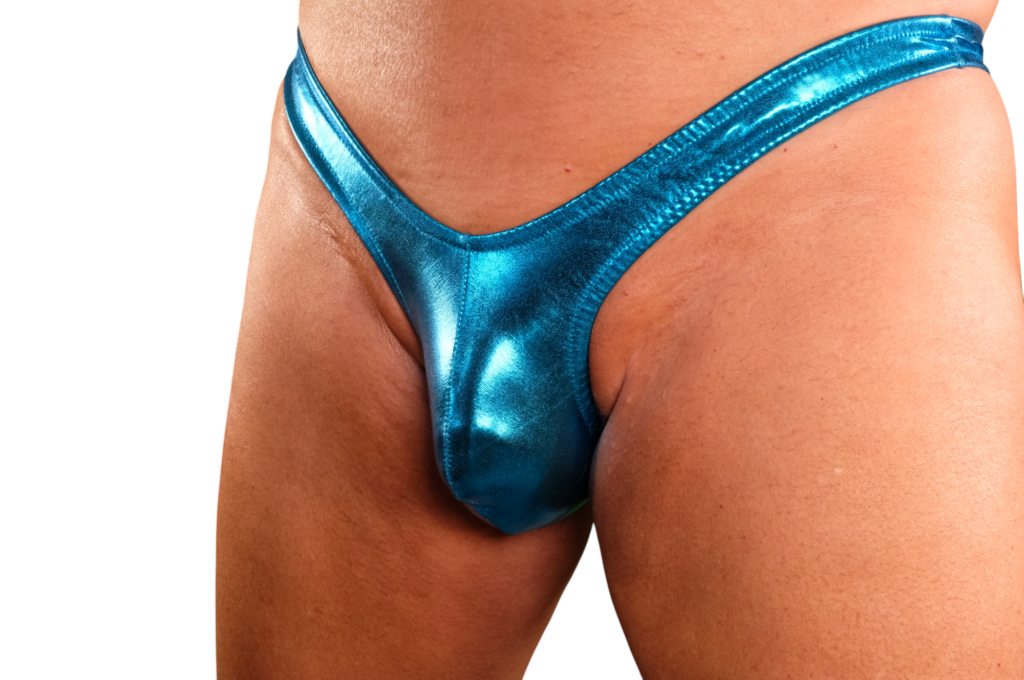
One noticeable feature of many fitted swimwear designs is that they are intentionally cut to follow the body’s natural contours. Rather than hiding the physique under loose fabric, these swimsuits emphasize athletic lines, the waist, legs, and—in some styles—the natural shape of the front of the suit. This body-conscious approach has become one of the defining characteristics of many modern swimwear collections.
A Different Design Philosophy
Traditional board shorts were designed with coverage and a relaxed fit in mind. They borrowed heavily from surfing culture, where mobility, durability, and protection from the board were priorities.
In contrast, fitted swimwear developed around different goals:
- Freedom of movement
- Minimal drag in the water
- Better tanning
- A more tailored appearance
- Highlighting the body’s natural proportions
Designers often use stretch fabrics and anatomical patterning so the swimsuit conforms to the wearer instead of concealing their shape.
Body-Contouring Rather Than Concealing
Many swim briefs and bikinis include front panels that provide support while following the body’s natural contours. Some designs use shaped pouches or ergonomic construction to improve comfort and reduce compression. Others keep the front flatter for a streamlined athletic appearance.
These choices are largely about fit and aesthetics rather than serving a single audience. Different brands emphasize different looks depending on whether they are targeting competitive swimmers, fashion-conscious consumers, or resort wear.
The Influence of Gay Fashion
Gay men have long been influential in swimwear fashion because many beach destinations, pool parties, and resort communities embraced fitted styles well before they became common elsewhere.
These environments encouraged experimentation with:
- Bold colors
- Bright prints
- Lower-rise cuts
- Higher-cut leg openings
- Minimalist bikinis
- Swim briefs
- Thong styles
- Premium stretch fabrics
Designers responding to those markets often introduced innovations that later spread into the broader swimwear industry.
Social Media Changed Everything
The rise of social media helped expose many more people to international swimwear trends. Men now see fitted swimsuits from beaches in Brazil, Spain, Australia, Greece, Mexico, and other destinations where smaller swimwear has long been common.
As a result, many consumers have become more willing to try styles they might never have considered years ago.
Why More Straight Men Are Trying These Styles
It would be inaccurate to suggest that straight men as a group are adopting any one style for the same reason. However, a number of factors have contributed to increased interest in fitted swimwear among men of many backgrounds.
These include:
Better Comfort
Many men discover that fitted swimwear stays in place better while swimming than loose trunks.
Athletic Appearance
Briefs and bikinis complement physiques developed through swimming, cycling, running, and strength training.
Reduced Tan Lines
Minimal coverage produces more even tanning, which appeals to many beachgoers.
International Travel
Travelers visiting beaches in Europe, South America, or parts of Australia often encounter a wider variety of men’s swimwear than they may be accustomed to at home.
Greater Fashion Variety
Today’s market includes everything from conservative square-cut trunks to streamlined briefs and minimalist bikinis, giving men more options than ever before.
Confidence Over Convention
One of the most significant cultural changes has been a growing willingness among many men to wear clothing they enjoy rather than limiting themselves to traditional expectations.
For some, that means choosing shorter inseams.
For others, it means trying fitted swim briefs instead of oversized shorts.
Still others simply appreciate swimwear that feels lighter, dries faster, and offers greater freedom of movement.
Design Innovation Continues
Modern men’s swimwear has become increasingly sophisticated.
Manufacturers experiment with:
- Ergonomic pattern construction
- Four-way stretch fabrics
- Compression panels
- Lightweight linings
- Seam placement for comfort
- Quick-drying materials
- Chlorine-resistant fibers
- Minimalist silhouettes
These developments have improved both performance and aesthetics.
Fashion Is Becoming More Individual
One of the biggest changes in men’s swimwear is the growing acceptance that there is no single “correct” style. Some men prefer long trunks, others choose classic swim briefs, and others enjoy bikinis or more minimal cuts.
Rather than being defined by sexual orientation, swimwear choices increasingly reflect personal comfort, body confidence, activity level, travel experiences, and fashion preferences.
Looking Ahead
As fashion continues to evolve, the boundaries between traditionally niche and mainstream swimwear are becoming less distinct. Ideas that once appeared primarily in specialty markets have influenced broader collections, while athletic performance fabrics and modern tailoring have made fitted swimwear more comfortable than ever.
The result is a marketplace with far greater variety, allowing men to choose styles that best fit their bodies, lifestyles, and personalities. Whether someone prefers classic trunks, streamlined briefs, or contemporary bikinis, today’s swimwear industry offers more choices than at any point in its history, reflecting a wider acceptance of individual style and self-expression.